
Konzeptionelle Arbeit
The Weight of Remembering ist eine konzeptionelle visuelle Erkundung der sich verschiebenden Landschaft von Erinnerung. Arbeitet mit Fotografie, Collage, Typografie und gefundenen Archivmaterialien, habe ich mich Erinnerung nicht als Archiv von (Nicht-)Fakten genähert, sondern als lebendiger, instabiler Prozess der Rekonstruktion.
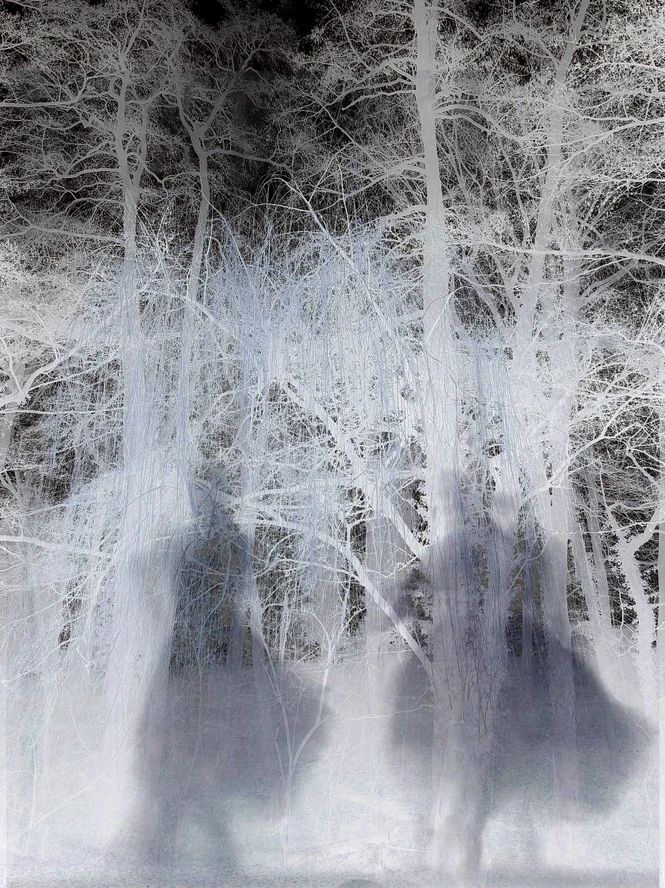
Fragmente tauchen ohne Kontext auf. Details bleiben bestehen, während ganze Narrative verschwinden. Orte, Gesichter und Momente verschwimmen ineinander, bis die Grenze zwischen Erinnern und Erfinden unsicher wird. Die Arbeit bewegt sich in diesem Schwellenraum: dem liminalen Territorium, in dem Erinnerungen ständig verhandelt, verändert und neu erfunden werden.
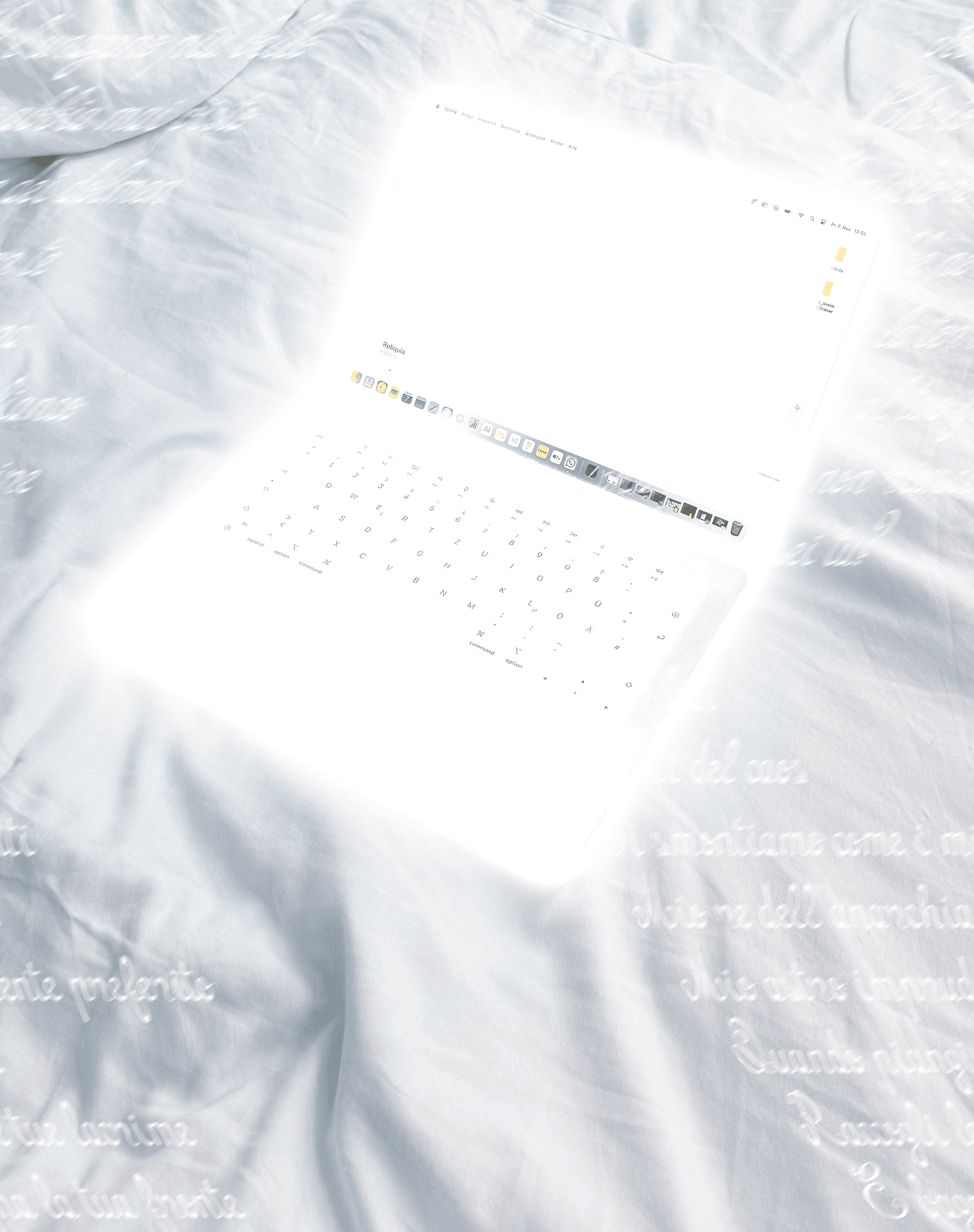
Überlagerte Bilder, Unterbrechungen, Verzerrungen und fragmentierte Texte spiegeln die Mechanismen der Erinnerung selbst. Nichts wirkt vollständig fest. Jedes Element existiert in einem Zustand der Transition und reflektiert, wie sich Erinnerungen mit jedem Abruf verschieben.
Dieses Projekt interessiert sich weniger dafür, was erinnert wird, als vielmehr für den Akt des Erinnerns selbst — eine Meditation über Abwesenheit, Verzerrung und das unsichtbare Gewicht, das Fragmente der Vergangenheit mit sich tragen.
Gespräche mit meiner Mutter
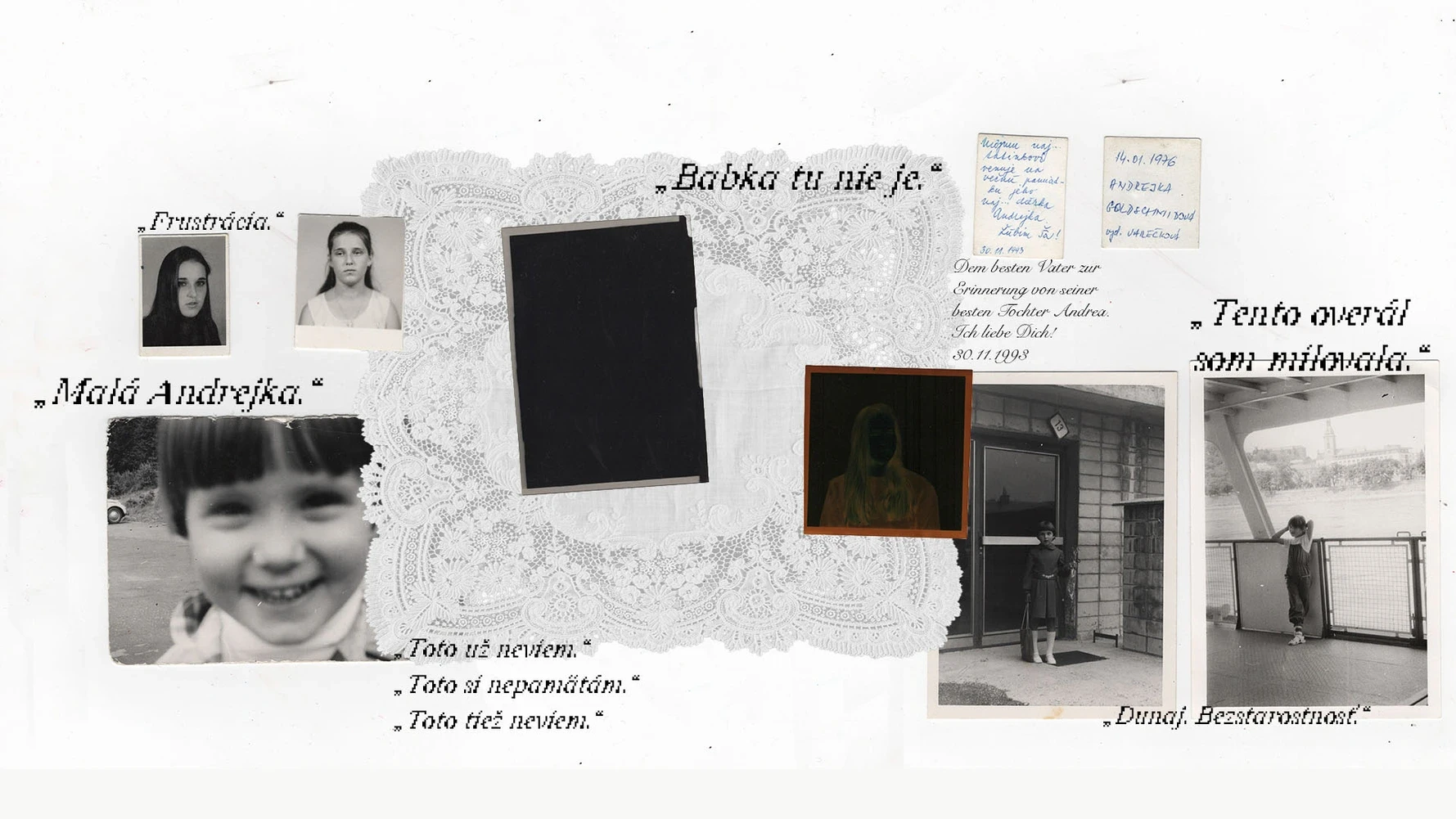
Ein zentraler Bestandteil von The Weight of Remembering ist eine Collage aus Familienarchivmaterialien und Gesprächen mit meiner Mutter.
Die Arbeit entstand durch einen Prozess gemeinsamen Erinnerns. Ich präsentierte ihr Fotografien aus unserem Familienarchiv und stellte einfache Fragen: Was erkennst du? Was kehrt zu dir zurück, wenn du dieses Bild betrachtest? Was bleibt vertraut, und was ist unzugänglich geworden? Als Erinnerungen auftauchten, zögerten oder ausblieben, offenbarten sich die Fotografien nicht als zuverlässige Dokumente, sondern als instabile Auslöser für Erinnerung.
Bestimmte Details wurden unerwartet lebendig, während ganze Ereignisse in Unsicherheit aufgelöst wurden. Manche Fotos weckten präzise Gefühle, aber keine Erzählung; andere bewahrten ihre visuelle Klarheit, während ihr Kontext vollständig verschwunden war. Statt eine Familiengeschichte zu rekonstruieren, untersucht die Arbeit die Lücken, Verzerrungen und Mehrdeutigkeiten, die entstehen, wenn die Vergangenheit erneut besucht wird.
Die Collagen funktionieren als visuelle Verhandlungen zwischen dem, was erinnert wird, dem, was vergessen ist, und dem, das nicht mehr verifiziert werden kann. Sie reflektieren Erinnerung nicht als Speicher von Fakten, sondern als fragiler und ständig sich verschiebender Prozess der Rekonstruktion.


WEITER →
← ZURÜCK